


Published
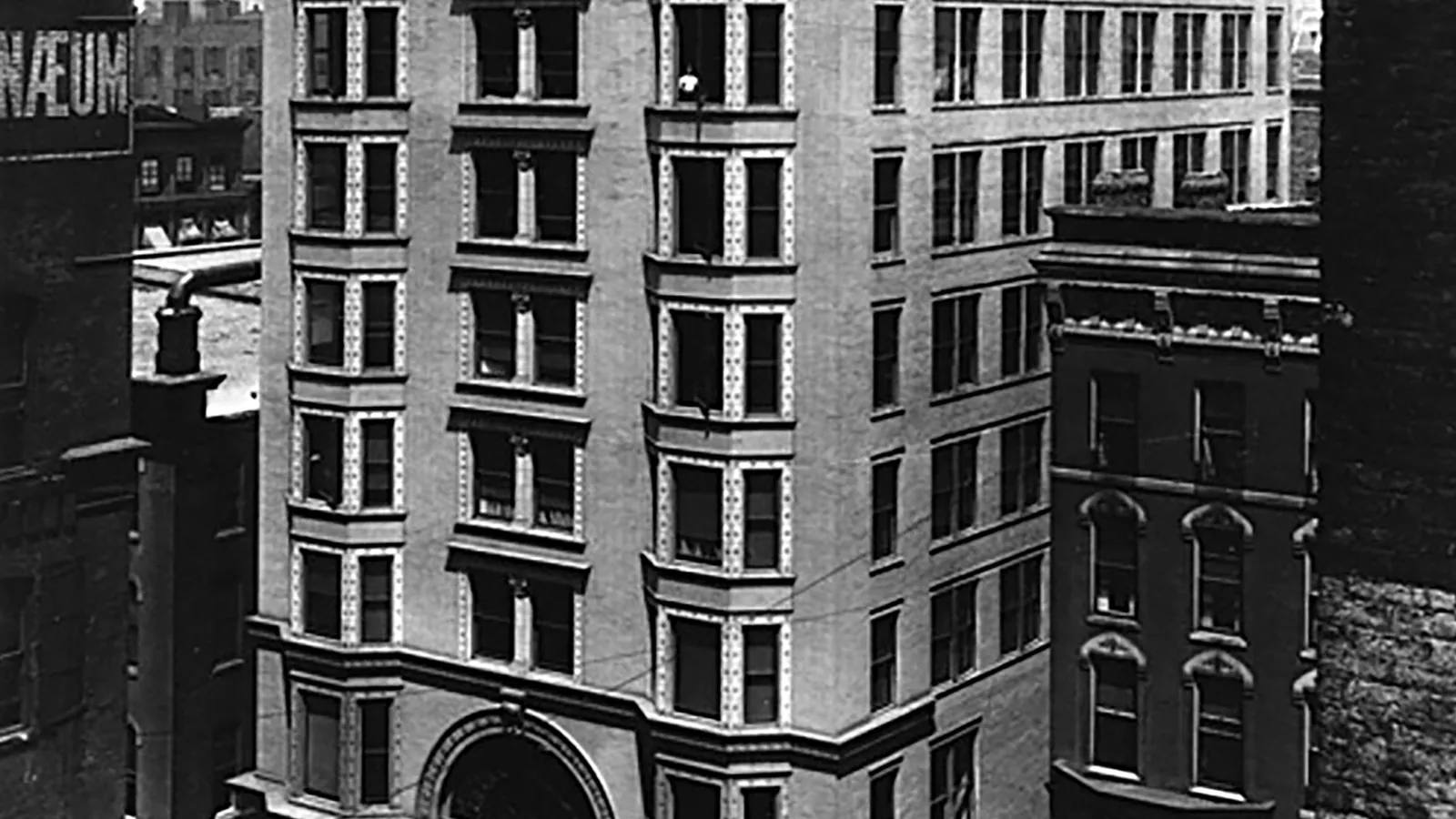
Willis Carrier, then 25, designed an air conditioning system in 1902, with drawings dated July 17, for the Sackett & Wilhelms printing plant in Brooklyn. It was built to stop paper from swelling and shrinking between ink passes, not to cool people, and the name “air conditioning” came from a textile executive.
A Brooklyn print shop in 1902 didn’t need anyone to feel cooler. It needed sheets of paper to stay the same size from one ink pass to the next. Carrier’s first fix made the air drier but also hotter, saltier and smellier, and the credit for the field turns out to be shared in a way the one-line answer hides.
Key takeaways
- Carrier’s 1902 system for Sackett & Wilhelms in Brooklyn was designed to hold humidity at 55 percent year-round, not to make people comfortable.
- His first attempt, a burlap roller towel soaked in calcium chloride brine, dried the air but added heat, salt and odor, so he moved to cold-water coils.
- Stuart Cramer, a textile executive with more than 60 patents, used the term “air conditioning” in a speech on May 17, 1906. Carrier’s biographer credits Cramer with 11 technological advances.
- Carrier’s U.S. Patent No. 808,897, his 1911 ASME paper and the 1922 Rivoli Theater chiller mark the path from controlling humidity in factories to cooling the public.
Contents
- Who invented air conditioning, and why did a Brooklyn printer need it?
- What did Carrier try first, and how did the 1902 system work?
- How well did the first air conditioner work?
- Did Carrier alone invent air conditioning, and who coined the term?
- What did Carrier promise a silk mill, and why did it matter?
- When did air conditioning move from factories to public comfort?
- Frequently asked questions
Who invented air conditioning, and why did a Brooklyn printer need it?
Willis Carrier, a Cornell mechanical engineering graduate (M.E., 1901) working for Buffalo Forge, got the job in spring 1902. The Sackett & Wilhelms lithographing plant in Brooklyn had a humidity problem, not a heat problem.
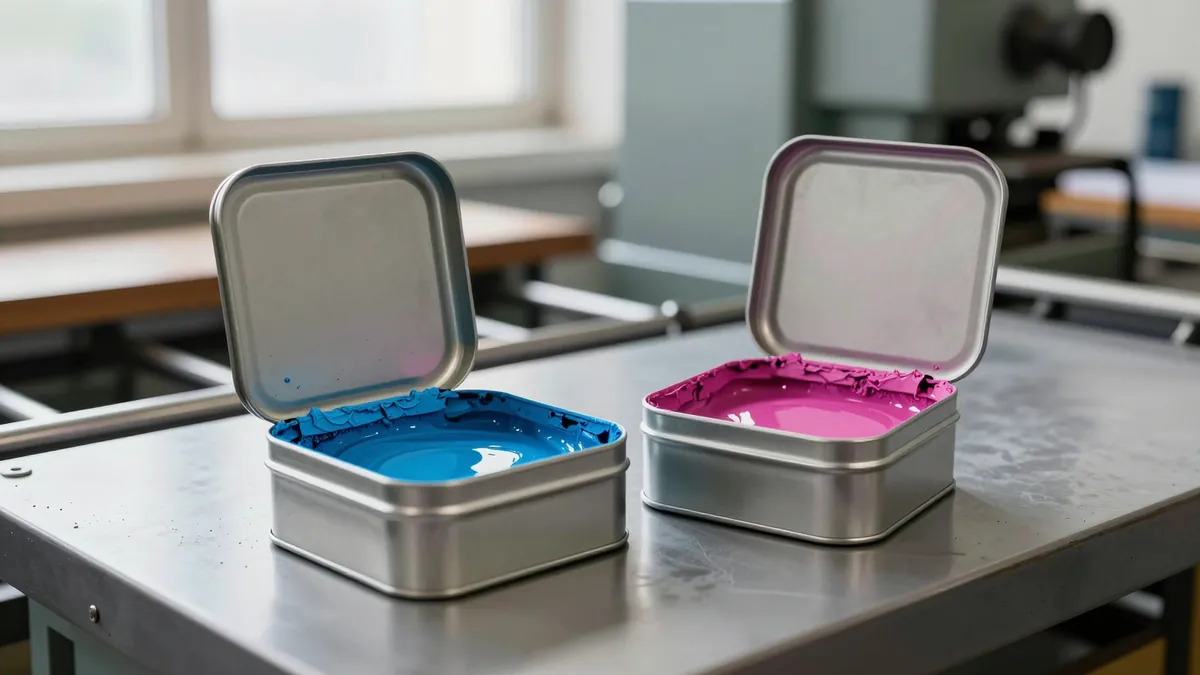
That spring, consulting engineer Walter Timmis visited the Manhattan office of J. Irvine Lyle, who headed Buffalo Forge’s sales in New York. Lyle passed the printer’s problem to Carrier, who was 25. Multicolor printing depends on color register, meaning each ink layer lands exactly on top of the last. Humidity wrecked that: the paper expanded and contracted between passes, which meant poor quality, scrap and lost production days.
The U.S. Department of Energy describes the same 1902 problem as causing magazine pages to wrinkle. It was also a deadline problem: Judge magazine was one of the important clients whose production schedule was at risk.
So the answer to “in which country was it invented” is the United States, and the setting was an industrial plant in New York City rather than a home or an office. Carrier had the problem and no proven tool: his first idea, a salt-soaked towel, was about to fail.
What did Carrier try first, and how did the 1902 system work?
Carrier first hung a roller towel of burlap soaked in calcium chloride brine. It dried the air but added heat, salt and odor, which the printing plant could not accept, so he switched to cold water in coils.

His second attempt reused the plant’s heating coils, which normally carried steam. He ran cold water through them instead and balanced the coil’s surface temperature against the airflow to reach a chosen dew point. The dew point is the temperature at which moisture in air condenses into liquid. Chill the air to a known dew point and you set exactly how much water it can still carry.
Carrier’s company archive dates the system’s drawings to July 17, 1902. It was installed late that summer with fans, ducts, heaters, perforated steam humidifying pipes and temperature control. The Department of Energy notes that the patented design could either humidify air by heating the water or dehumidify it by cooling the water. The patent itself is U.S. Patent No. 808,897.
Notice what the machine regulated. Temperature was a tool; the product was a stable amount of moisture in the air. A system that worked on paper still needed a cold-water source and a measurable result: what did it deliver?
How well did the first air conditioner work?
The system aimed to hold humidity at 55 percent year-round. By October 21, 1903, Buffalo Forge’s Lyle was writing that the cooling coils had given excellent results the previous summer.
The cold water came from an artesian well during the first summer, and an ammonia compressor was added in spring 1903. At full scale, the installation’s cooling effect matched melting 108,000 pounds of ice per day. Lyle’s letter of October 21, 1903 gave the customer-side verdict:
“The cooling coils which we sold this company have given excellent results during the past summer.” — J. Irvine Lyle (1903)
The result was dry, stable air for paper, not a cooler room for workers. With a working system and a patent, Carrier looks like the whole story; the person who named the field was someone else.
Did Carrier alone invent air conditioning, and who coined the term?
No single person gets all the credit. Textile executive Stuart Cramer used the term “air conditioning” in a speech in Asheville on May 17, 1906, after using it in a paper before the American Cotton Manufacturers Association, according to North Carolina’s cultural resources department.
Cramer was no bystander. He held more than 60 patents and pioneered humidity control and ventilating equipment in Southern cotton mills. Carrier’s own biographer attributes 11 technological advances to Cramer.
Here is the reframe. Both men were solving humidity problems in factories, one in printing and one in cotton. That is why the machine and its name both came from industry, and neither from a wish to cool a living room.
Carrier’s contribution is documented and dated: the July 1902 design, the patent, and later the dew point method and the psychrometric formulae. Cramer’s is the vocabulary and a parallel line of mill equipment. If humidity in factories was the market, Carrier’s next customers show how he turned the 1902 fix into a promise.
What did Carrier promise a silk mill, and why did it matter?
A Carrier proposal to the Huguet Silk Mill in Wayland, NY, guaranteed 65 percent relative humidity throughout the entire year. That was the first promise of conditions rather than equipment performance.
Set it beside Brooklyn: Sackett & Wilhelms got a 55 percent target for paper, and the silk mill got 65 percent for fiber. The idea was the same, but the product was different, so the number was different. A customer no longer bought coils and fans; the customer bought a result.
On December 8, 1911, Carrier presented “Rational Psychrometric Formulae” at the annual meeting of the American Society of Mechanical Engineers (ASME). The paper was nicknamed the “Magna Carta of Psychrometrics.” Psychrometrics is the science of air and moisture. Its central idea, controlling the dew point of the leaving air by heating the spray water, is described as “the greatest single factor in modern air conditioning.”
The business followed the science. The National Inventors Hall of Fame records that Carrier Engineering Corporation was founded in 1915 with $35,000 in capital. The method now had a formula and a company; the next step was moving it from factory floors to public rooms.
When did air conditioning move from factories to public comfort?
The Missouri Pavilion at the 1904 St. Louis World’s Fair was the first time the American public was exposed to comfort cooling, and in May 1922 Carrier debuted a centrifugal chiller at New York’s Rivoli Theater.
The Department of Energy says the pavilion used 35,000 cubic feet of air per minute, and that the Metropolitan Theater in Los Angeles also received a cooling system. Large rooms needed bigger and safer machinery, though. Carrier developed the first safe, low-pressure centrifugal refrigeration machine, using a nontoxic, nonflammable refrigerant. That made cooling a big building workable.
A video retelling, “How was air conditioning invented?”, covers the same ground in general terms:
The table compiles the dated steps from Carrier’s degree to the Rivoli chiller, using the company archive, Department of Energy and Hall of Fame records cited above.
| Date | Event | What it shows |
|---|---|---|
| 1901 | Carrier earns an M.E. at Cornell | He was trained as a mechanical engineer before the Brooklyn job |
| July 17, 1902 | Drawings dated for the Sackett & Wilhelms system | The design existed before the plant’s first summer test |
| Spring 1903 | Ammonia compressor added | Mechanical refrigeration joined the artesian well water |
| October 21, 1903 | Lyle writes that the coils gave excellent results | The customer-side verdict after a full summer |
| 1904 | Missouri Pavilion at the St. Louis World’s Fair | The public meets comfort cooling for the first time |
| May 1922 | Centrifugal chiller at the Rivoli Theater | The method reaches a public room |
Public buildings came first. In May 1922, Carrier’s centrifugal chiller at New York’s Rivoli Theater showed that the method built for a Brooklyn print shop could cool a public room.
Frequently asked questions
In which country was air conditioning invented?
The United States. Willis Carrier designed his system in 1902 for the Sackett & Wilhelms printing plant in Brooklyn, New York. The drawings are dated July 17, 1902. It was an industrial installation meant to control humidity for printing, not a comfort system for people.
When was air conditioning first used for comfort rather than industry?
The U.S. Department of Energy says the Missouri Pavilion at the 1904 St. Louis World’s Fair marked the first time the American public was exposed to comfort cooling. Carrier’s centrifugal chiller at New York’s Rivoli Theater followed in May 1922, bringing cooling to a public theater.
Who coined the term “air conditioning”?
Textile executive Stuart Cramer is credited with coining it, according to North Carolina’s Department of Natural and Cultural Resources. He used the term in a speech in Asheville on May 17, 1906, after using it in a paper before the American Cotton Manufacturers Association.
How these articles are prepared: our editorial policy

