


Published
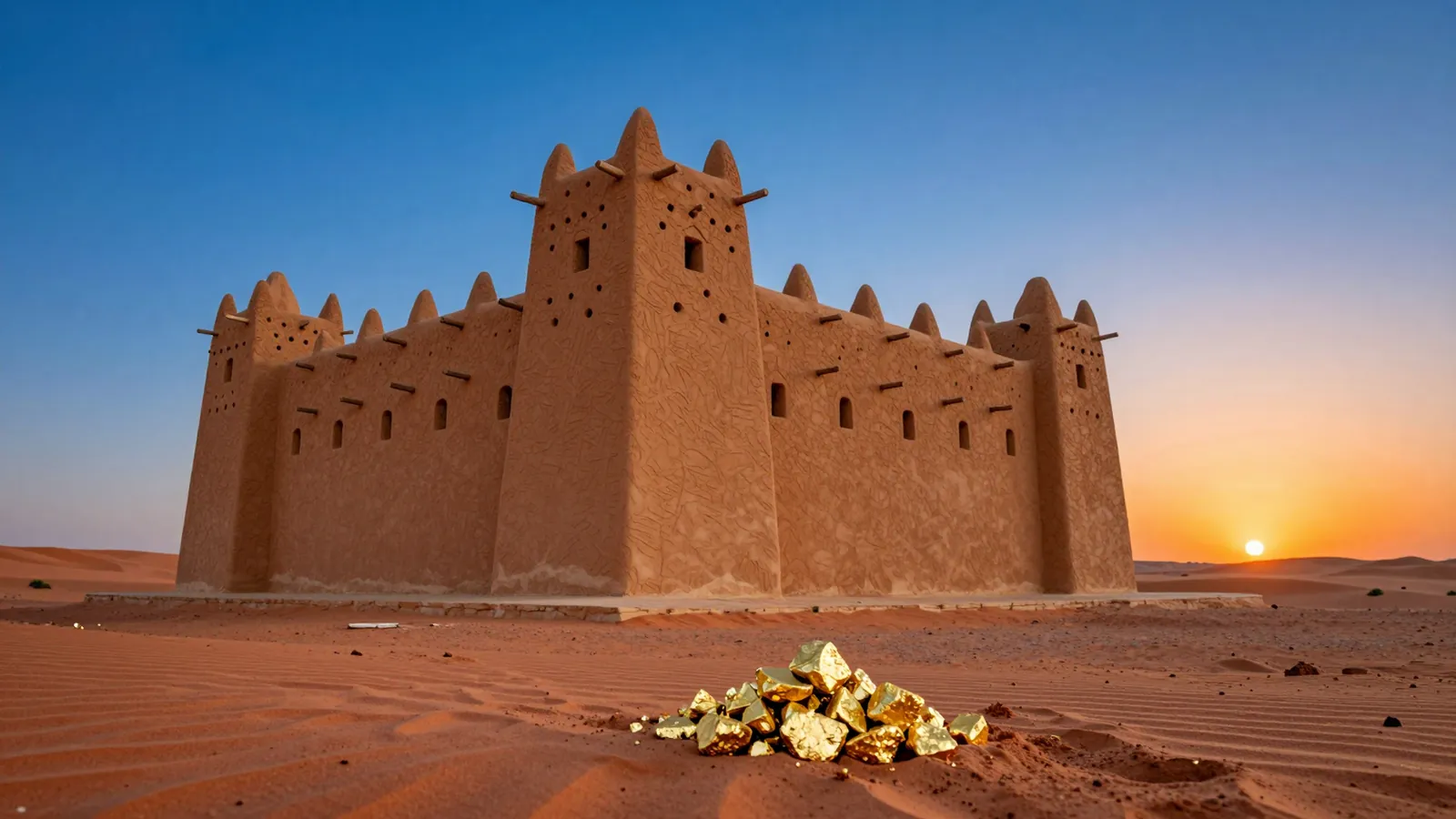
Mansa Musa was emperor of Mali in the 14th century, and his wealth is unknown. The $400 billion figure often cited comes from a “contemporary” estimate by Celebrity Net Worth, published February 19, 2025, with no method or date. The site admits his wealth cannot be measured precisely. So was Mansa Musa the richest person ever? No reliable answer exists.
Key takeaways
- The pilgrimage took place in 1324–1325: the caravan reached Cairo in July 1324 and left on October 18.
- The gold tonnages cited, from 12 to about 18 tonnes, are not measurements.
- Rockefeller is worth about $15 billion or $631 billion, depending on the conversion method.
50,000 dinars: that is the sum Mansa Musa reportedly borrowed, according to Ibn Khaldun, from Egyptian merchants at high interest during his journey to Mecca. The emperor whose wealth is cited in the hundreds of billions of dollars would therefore have run short of money on the way.
Contents
- Was Mansa Musa the richest person ever, and is the $400 billion figure reliable?
- How much gold did Mansa Musa really take on his 1324 pilgrimage?
- Did Mansa Musa make the price of gold fall in Cairo?
- Why did Mansa Musa have to borrow in Cairo?
- Mansa Musa, Rockefeller and Crassus: the ranking changes with the method
- Frequently asked questions
Was Mansa Musa the richest person ever, and is the $400 billion figure reliable?
The $400 billion figure is not reliable. The Celebrity Net Worth article of February 19, 2025 that spreads it presents it as a “contemporary” estimate adjusted for inflation, with no method or date. Estimates there “typically land in the $400 billion range,” yet the same text admits there is “really no way to put an accurate number on his wealth.”
Arab sources and their limits
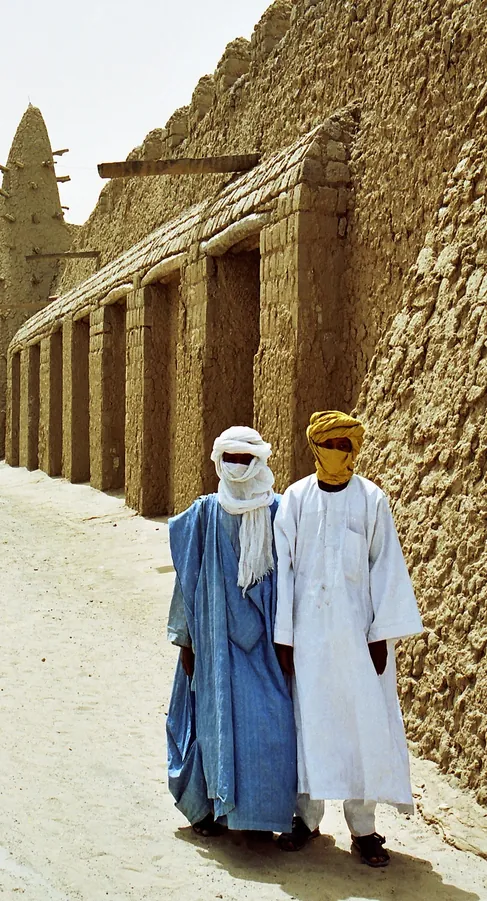
Gold tonnages are no better a basis. The main sources on Mansa Musa are Arab chroniclers (Al-Umari, Ibn Khaldun, Ibn Battuta, ad-Dukkali), and the estimates of about 18 tonnes of gold rest on a single chain of transmission, that of Al-Umari and Ibn Khaldun. Hadrien Collet considers that Mansa Musa’s wealth cannot be calculated precisely, and converting these figures into current money is judged methodologically fragile.
The historian Patrick Boucheron goes further. He describes the legend of the fortune as “unprovable and fantastical”, built for commercial and political reasons. He also notes that it hides the slave trade as a source of wealth.
The Catalan Atlas and the making of a myth
The Catalan Atlas (1375, or 1380 according to another version) shows Mansa Musa holding a ball of gold near Timbuktu. A huge, round number is easy to remember, even without a method behind it. It is a mechanism described in our feature on the psychology of money. Thoughty2’s video also repeats this figure while noting that sources are scarce.
If the total cannot be verified, what remains is what the chroniclers describe: a caravan of 1324 and its gold.
How much gold did Mansa Musa really take on his 1324 pilgrimage?
Mansa Musa left for Mecca in 1324–1325. Estimates range from 12 to about 18 tonnes of gold carried, but these tonnages are not measurements and remain disputed: the chroniclers give only rhetorical figures.

The timeline is better established than the figures. The caravan reached Cairo in July 1324, camped near the pyramids of Giza, and set out again on October 18. Mansa Musa reigned from about 1312 to 1337. His death is dated to 1332 or 1337, the latter date judged more likely.
Late Arab accounts mention up to 12,000 enslaved people, each carrying 1.8 kg of gold, and 80 camels laden with gold dust. Historians see these as rhetorical figures. The caravan nonetheless numbered about eight thousand men, according to the testimony reported by the French encyclopedia Encyclopædia Universalis.
Mali’s gold output is estimated at 3 to 4 tonnes a year, according to a 2021 documentary by the French channel Histoire TV, cited by Wikipedia. For the 1324 pilgrimage, some sources give Mansa Musa 12 tonnes of gold carried; other estimates rise to about 18 tonnes. Compared with annual output, 12 tonnes would represent, by our calculation, three to four years of extraction.
Where the gold came from: control of the Bambuk and Bure mines
The gold Mansa Musa handed out did not fall from the sky. It came from the goldfields of Bambuk and Bure, whose control by the Mali empire underpinned its power. The ruler did not just hold a stock of metal; he commanded access to the mining zones and the routes that carried gold north. That position explains how a journey of this scale could be funded, but it does not allow the output of these mines to be converted into a measurable fortune.
Kings and Generals’ video asks whether Mansa Musa was the richest man in history.
The open question is what this gold did once it was spent in Cairo, on prices and on the value of metal.
Did Mansa Musa make the price of gold fall in Cairo?
Al-Umari reports that the gold mithqal lost value against silver after Mansa Musa’s passage. Historian Warren Schultz nonetheless argues that this drop stayed within the normal fluctuations of Mamluk Egypt.

Al-Umari’s figures, as translated in Boston University’s African Studies teaching resources, are precise. The mithqal (a unit of weight for gold) was worth at least 25 dirhams of silver, then about 22 dirhams or fewer, and reportedly stayed low for about a dozen years. Mansa Musa “made the price of this metal fall against silver for several years,” writes Alfred Fierro in the Encyclopædia Universalis too.
It is easy to imagine Egypt ruined by this flood of gold. Al-Umari describes the opposite: no emir or holder of a royal office left without a gift of gold, and Cairenes made “incalculable” profits thanks to Mansa Musa and his retinue. The same Al-Umari reports that Mansa Musa spoke to him only through an interpreter, although he had mastered Arabic.
A drop of a few dirhams alone does not prove the volume of gold distributed.
Cairenes profited from Mansa Musa’s gold, but other accounts say the ruler himself eventually ran short of money.
Why did Mansa Musa have to borrow in Cairo?
Several accounts state that Mansa Musa ran short of money during the journey and borrowed from Egyptian merchants at high interest. This reverses the image of a ruler with unlimited wealth.
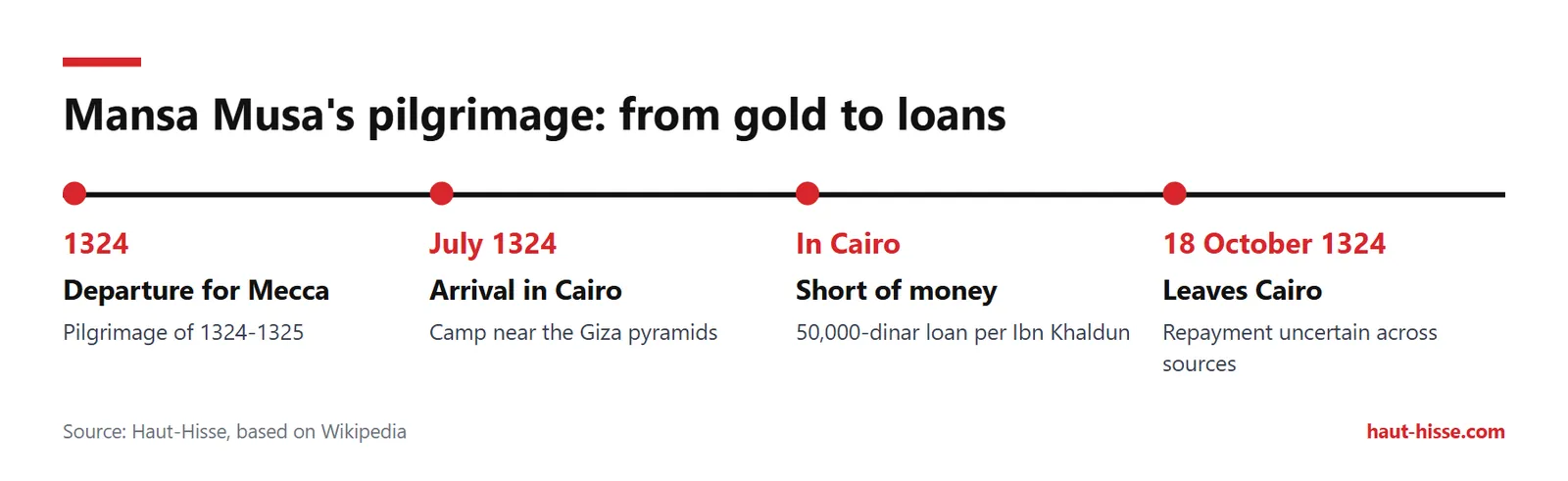
The loan reached 50,000 dinars, from the Banu l-Kuwayk family, according to Ibn Khaldun, who had his information from a friend, al-Māmar, who had travelled with Mansa Musa. Mansa Musa reportedly also sold a palace given to him by the sultan. Accounts differ on repayment: the lenders were either never repaid or only partly repaid.
Mamluk sources say he had to borrow. Mansa Musa reportedly offered 40,000 dinars to Sultan al-Nasir Muhammad and 10,000 to the vice-sultan, while other sources cite 50,000 dinars to the sultan alone. The Wikipedia article sees this as a staged display meant to draw Egyptian merchants to Mali.
Mansa Musa presented himself above all as a pilgrim. He reportedly said of the sultan: “I came for the Pilgrimage and nothing else.”
The mechanics of liquidity explain such an episode: owning gold does not guarantee having cash on hand straight away. The accounts only say that Mansa Musa ran short of money and borrowed. The opposite case, money arriving all at once, is the subject of our article on lottery winners.
If Mansa Musa’s wealth cannot be measured, comparing it with Rockefeller’s or Crassus’s depends above all on the conversion method.
Mansa Musa, Rockefeller and Crassus: the ranking changes with the method
The same billionaire can be worth either $15 billion or $631 billion, depending on the method. The ranking of fortunes across centuries therefore depends on the calculation used. For Mansa Musa, converting ancient figures into current money is judged methodologically fragile.
Inflation or share of GDP: two calculations for one fortune
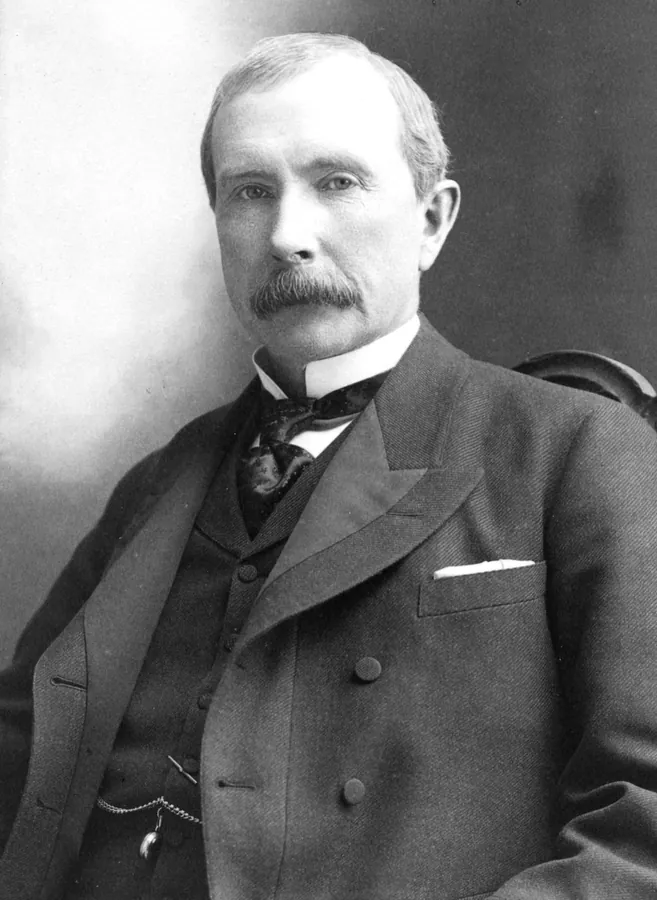
Rockefeller’s fortune was about $900 million in 1913 and $1.4 billion at his death in 1937. Adjusted for inflation, which restates a past price in today’s purchasing power, it comes to about $15 billion today. Expressed as a share of the economy, roughly 1.5% of US GDP (the wealth produced in a year), it reaches about $631 billion, according to Guinness World Records. Celebrity Net Worth still puts it at $340 billion adjusted for inflation, without specifying its method.
| Person and period | Method | Result |
|---|---|---|
| Rockefeller, $1.4 billion in 1937 | Inflation | About $15 billion |
| Rockefeller, 1937 | Share of the economy (≈ 1.5% of US GDP) | About $631 billion |
| Crassus, ancient Rome | Conversion of 200 million sesterces (Pliny) or of fewer than 300 to 7,100 talents (Plutarch) | From $200 million to $20 billion |
| Mansa Musa, 14th century | “Contemporary,” with no method or date | $400 billion |
For Crassus, Pliny the Elder estimates his fortune at about 200 million sesterces, while Plutarch puts it at anywhere from fewer than 300 to 7,100 talents. A more precise conversion places it between $200 million and $20 billion in today’s money. Plutarch attributes it to “fire and war,” meaning public calamities, as well as the slave trade, silver mines and property speculation. The slave trade therefore features in Crassus’s story as it does in Mansa Musa’s, where Boucheron notes that the legend hides it.
For Mansa Musa, the measure is a price, not a fortune
Rockefeller is counted as a share of GDP, and Crassus in sesterces or talents. For Mansa Musa, no gold stock can be quantified, but Al-Umari records what his passage changed in Cairo, in silver dirhams rather than in today’s dollars.
| Trace left in Cairo | What Al-Umari reports |
|---|---|
| Price of the gold mithqal | At least 25 dirhams of silver, down to about 22 dirhams or fewer, staying low for about a dozen years |
| Distribution of gold | No emir or holder of a royal office left without a gift of gold |
| Local profits | Cairenes made “incalculable” profits thanks to Mansa Musa and his retinue |
This measure has its own limit: historian Warren Schultz judges the drop to be within the normal fluctuations of Mamluk Egypt. The only quantified trace Mansa Musa left is therefore a local price, which gives neither his fortune nor a place in a ranking.
The ranking of the richest depends on the criterion chosen, and Mansa Musa’s figure has neither a method nor a date. On February 19, 2025, Celebrity Net Worth nonetheless repeats that estimates cluster around this figure, while admitting that his wealth cannot be measured precisely. A story can also shape a price: how a luxury brand uses its history to justify its prices is detailed in our article on why luxury costs so much.
Frequently asked questions
Who was Mansa Musa?
Mansa Musa was an emperor of Mali in the 14th century, known for his pilgrimage to Mecca in 1324–1325. His reign is dated to about 1312 to 1337. Al-Umari describes the gifts of gold made in Cairo; his fortune, however, cannot be measured.
Is Elon Musk richer than Mansa Musa?
No reliable answer exists. Mansa Musa’s fortune has neither a method nor a date, and Rockefeller’s varies widely depending on the calculation used. Comparing Mansa Musa with Elon Musk would require a common criterion, which this figure does not provide.
Who is the richest man ever in history?
No ranking commands consensus. Mansa Musa is the name most often cited, but Patrick Boucheron judges his legend “unprovable and fantastical.” Rockefeller changes rank depending on whether you count by inflation or by share of the economy.
Read next
How these articles are prepared: our editorial policy

